Work Begins on the ‘RUMIA 72h’ Energy and Water Security Cluster Project
19.06.2026 | 2 min. czytania
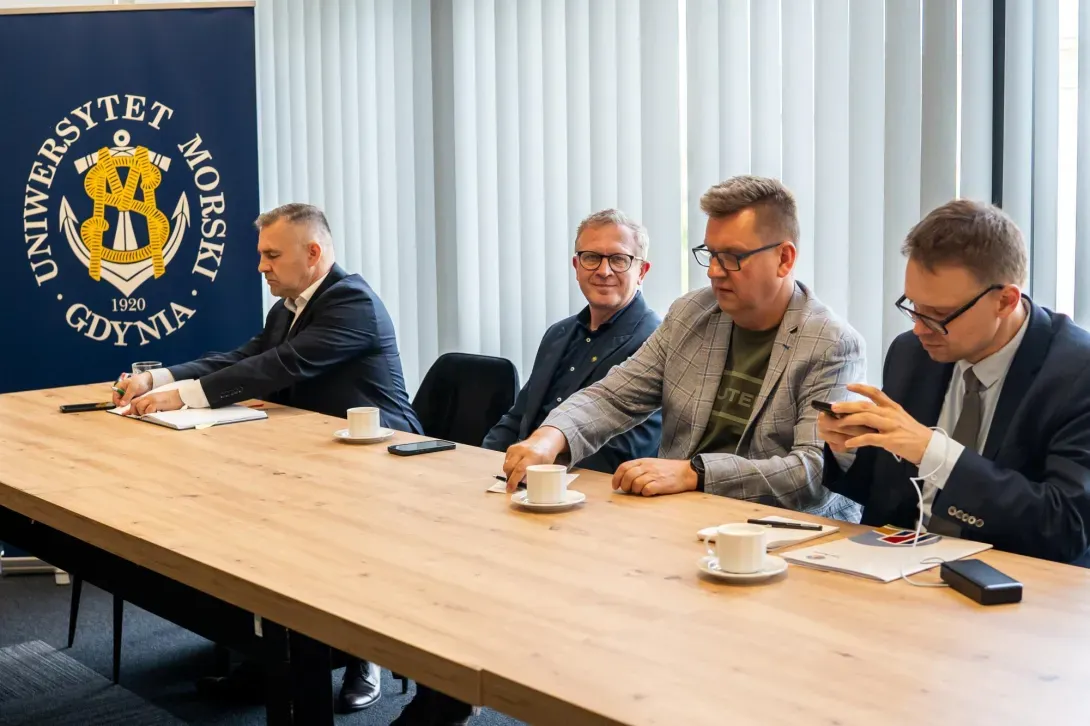
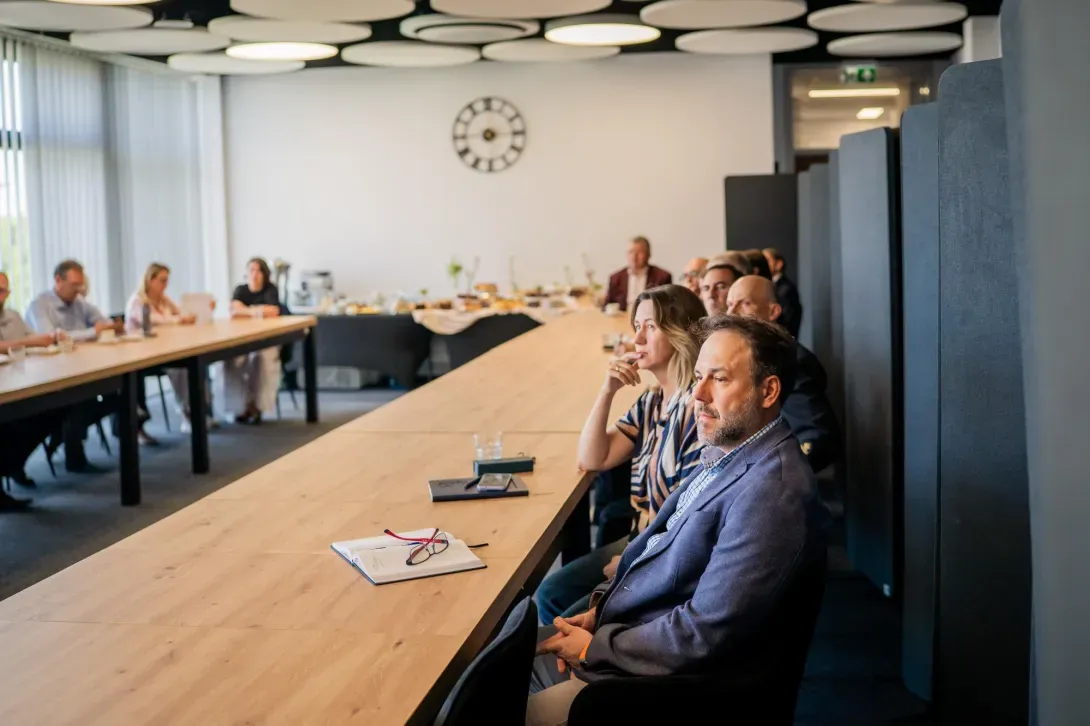
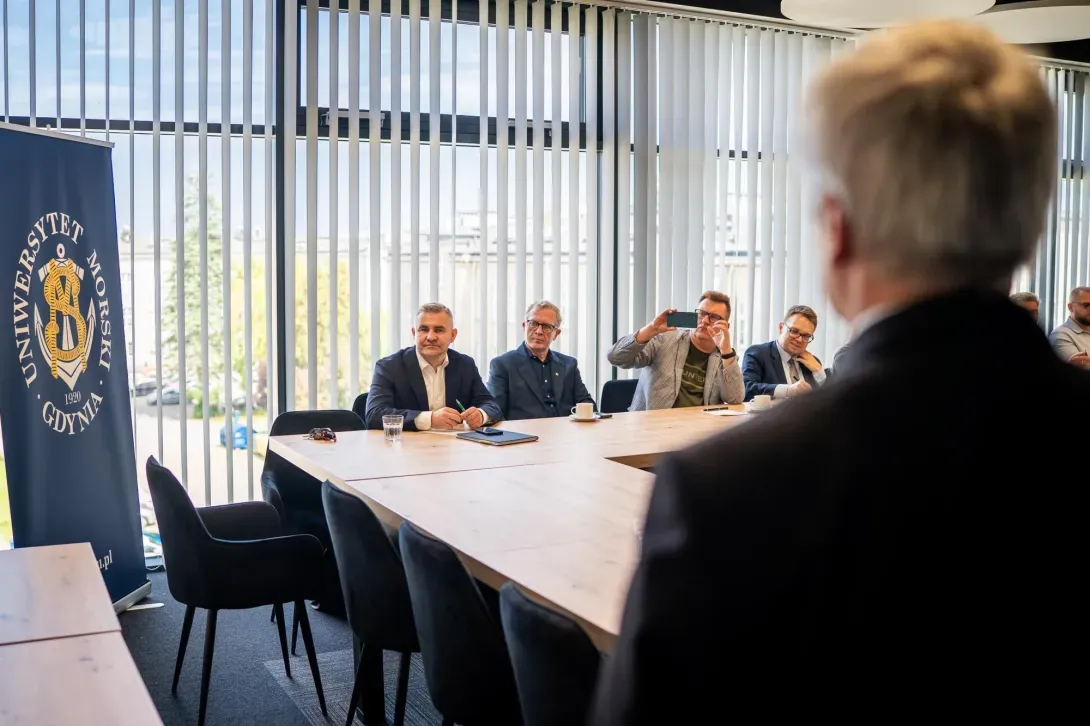
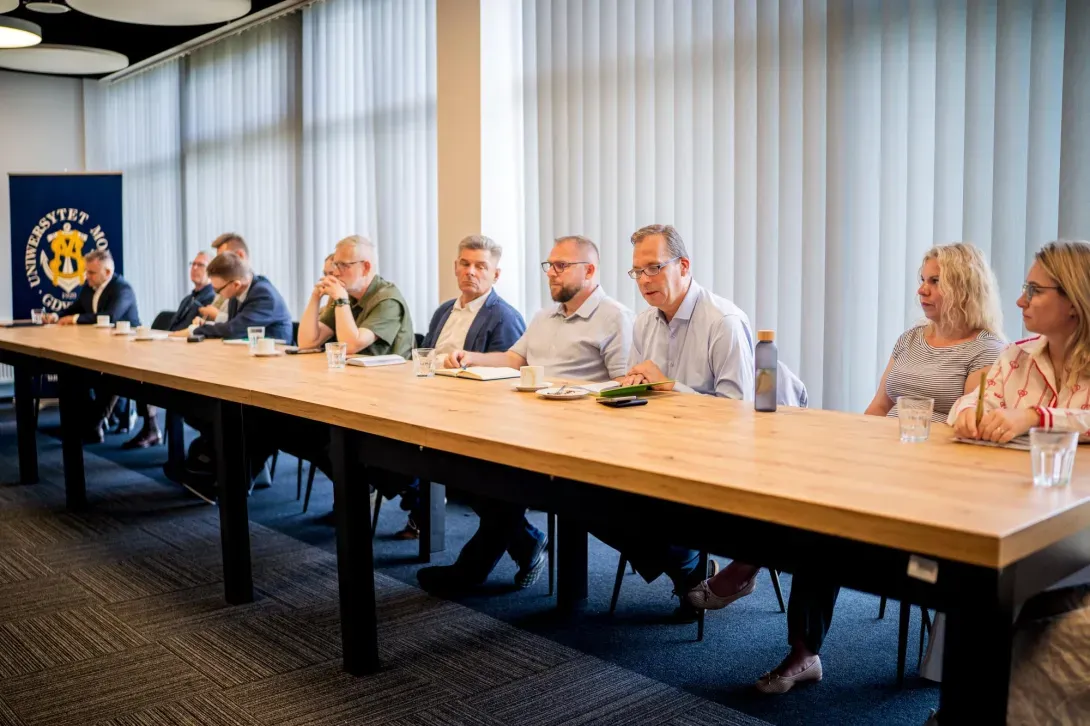
On 19 June 2026, partners involved in the ‘RUMIA 72h’ Energy and Water Security Cluster met to launch project operations. The initiative follows an agreement concluded on 30 March 2026 between the Rumia Municipality, Rumia Invest Park, and Gdynia Maritime University.
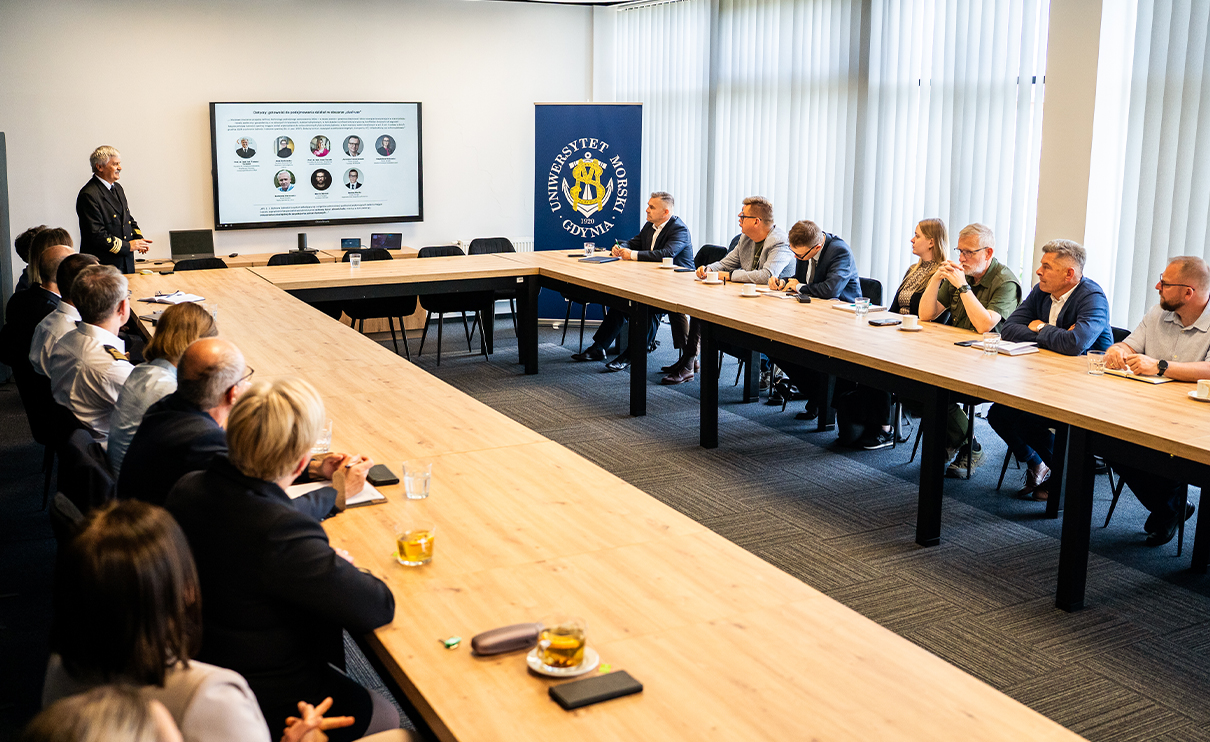
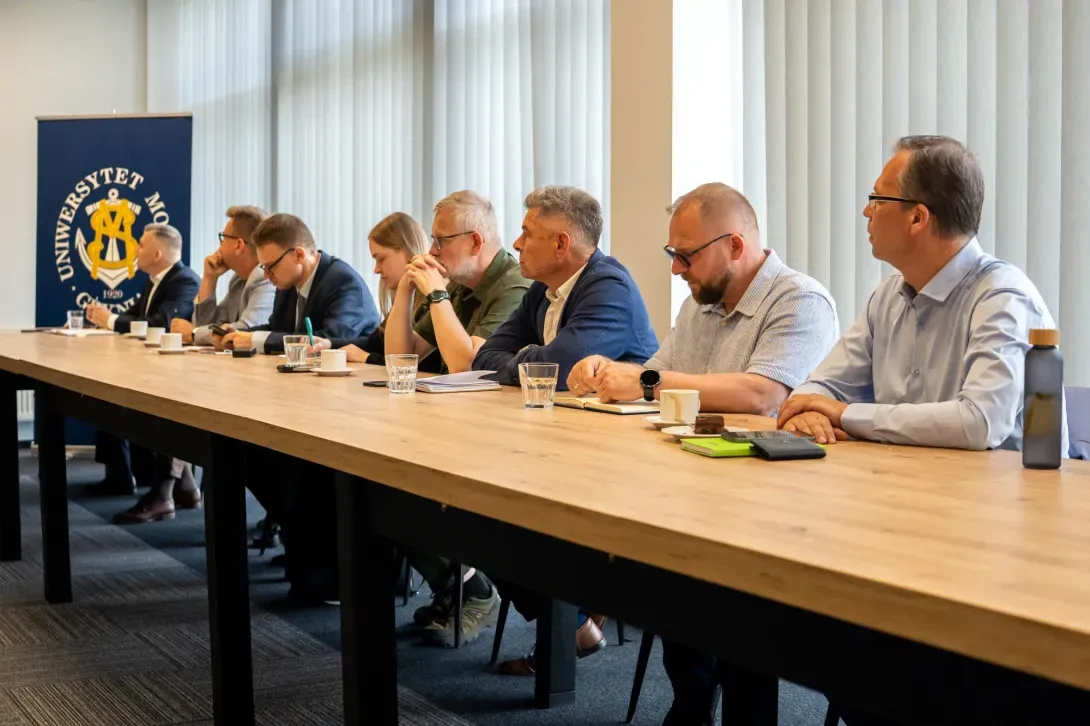
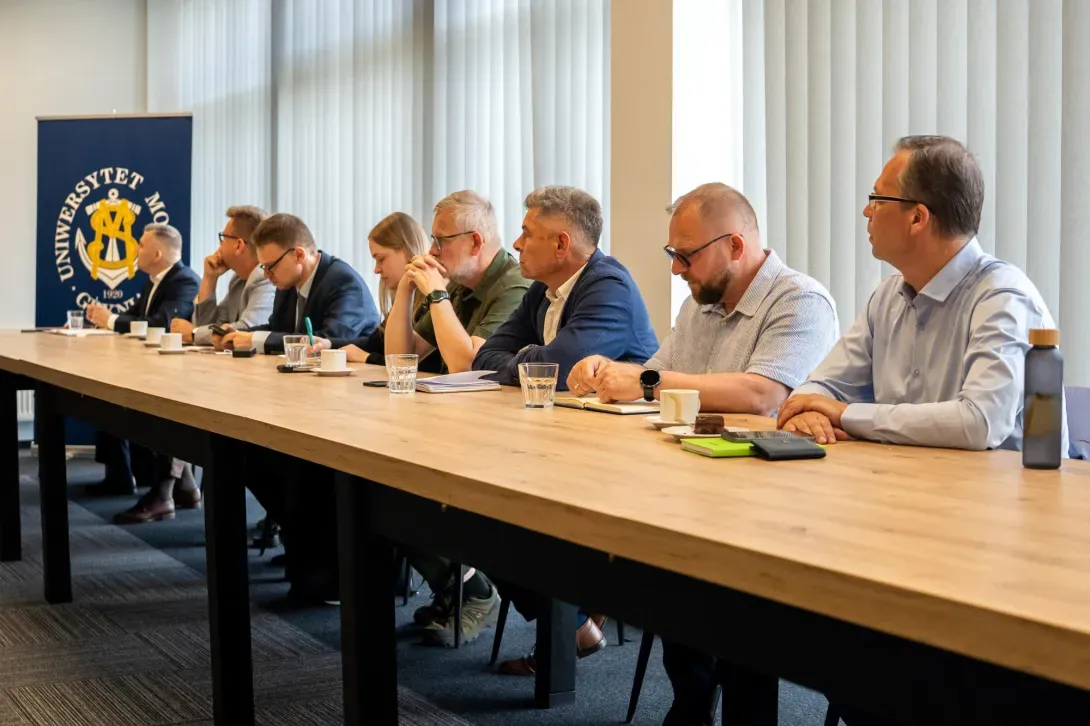
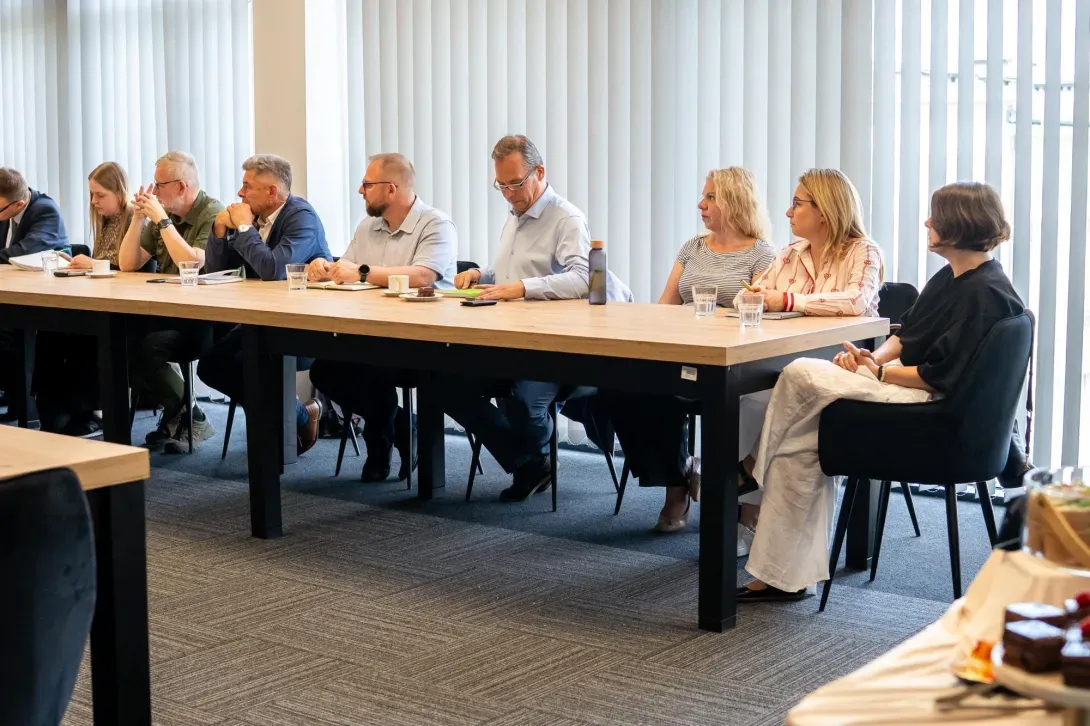
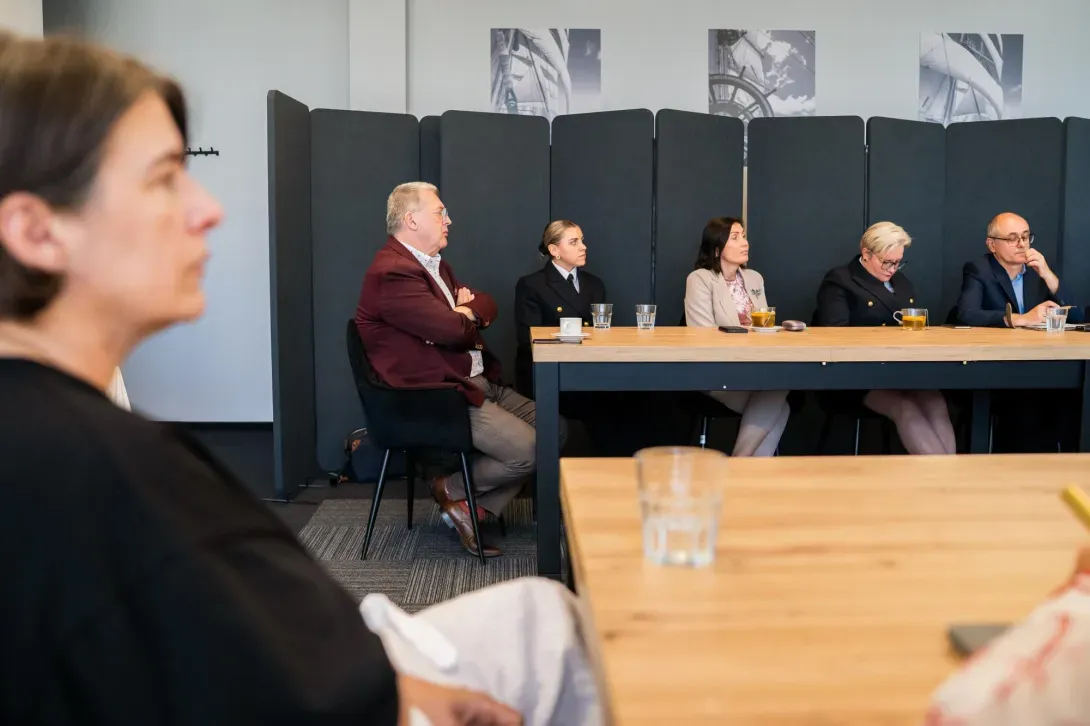
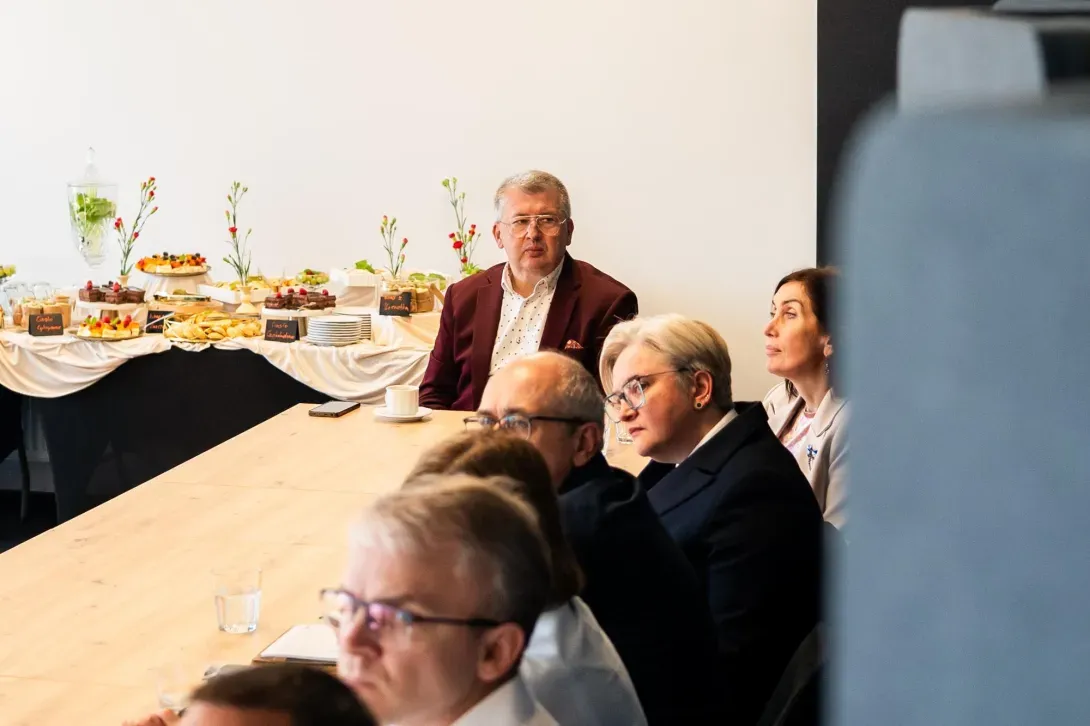
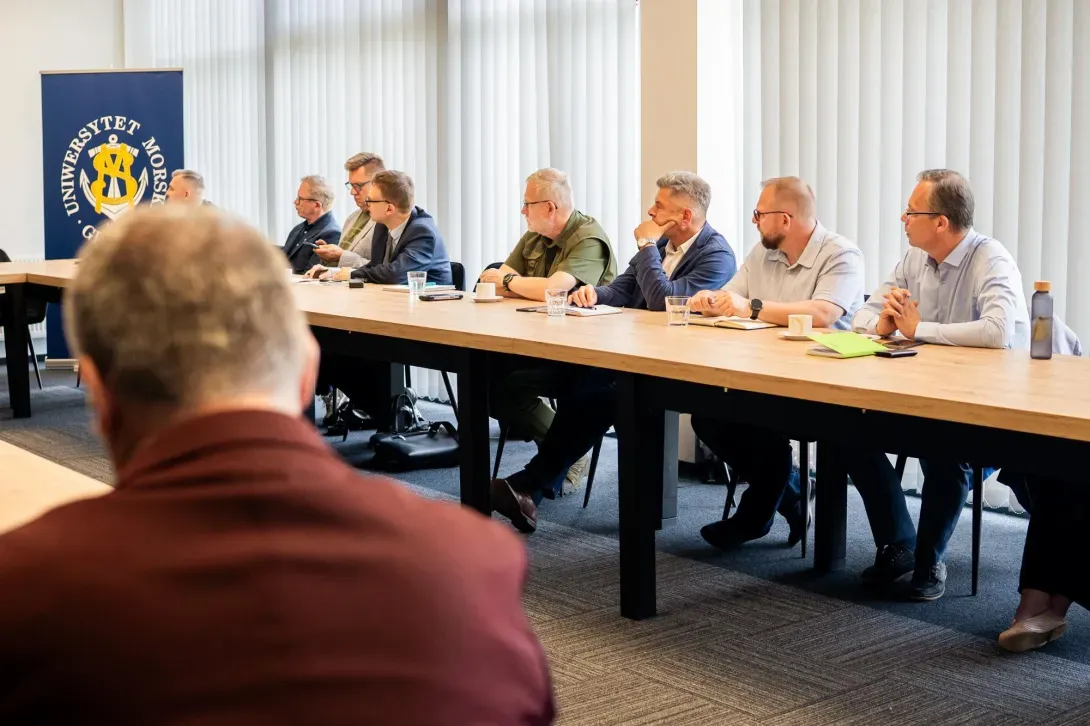
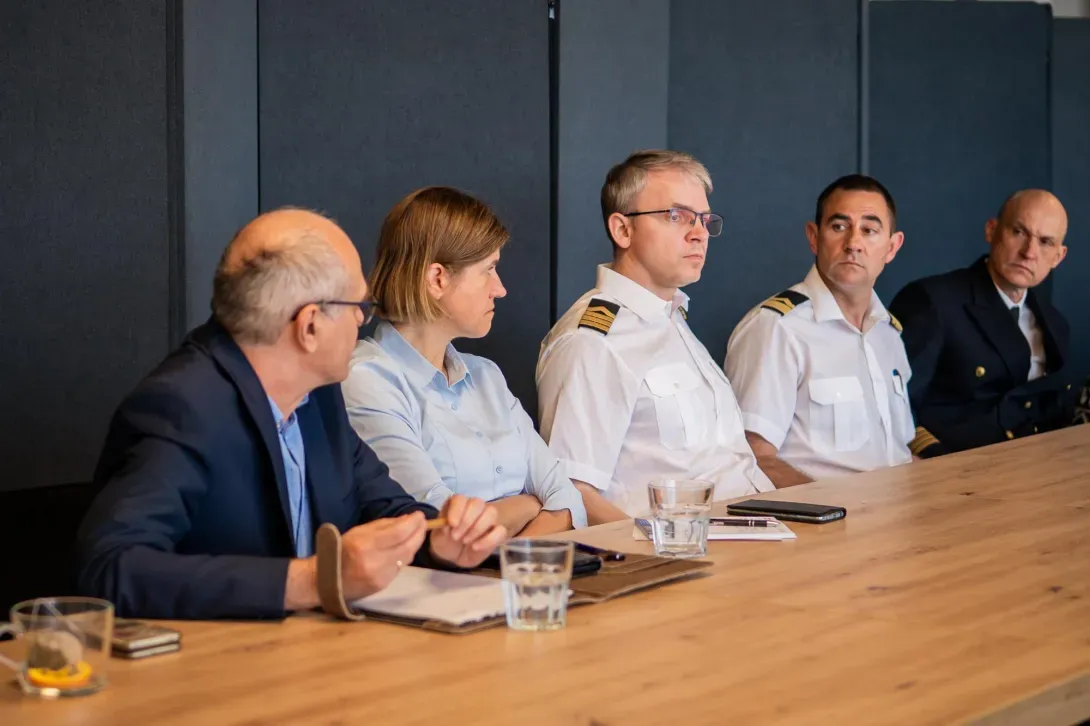
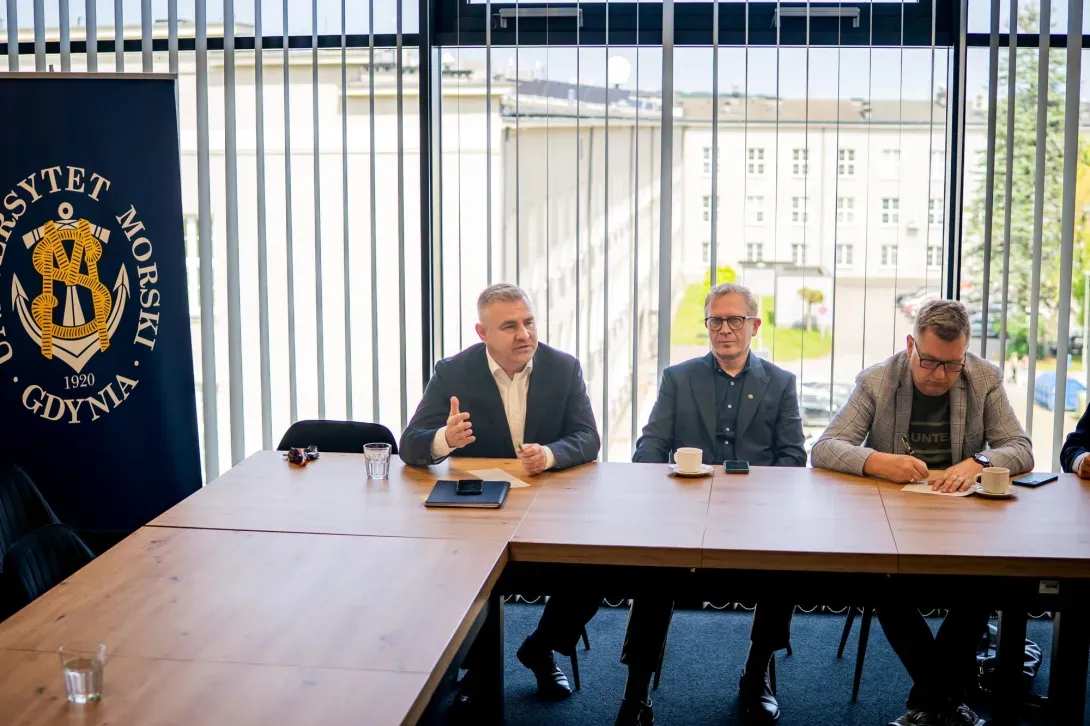
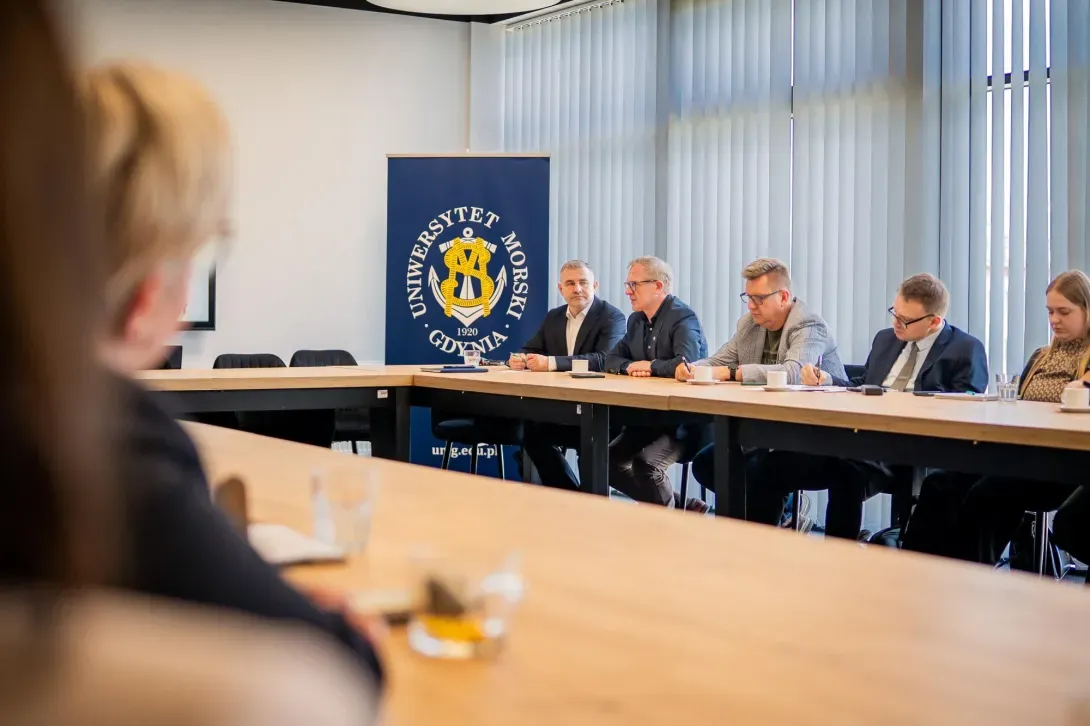
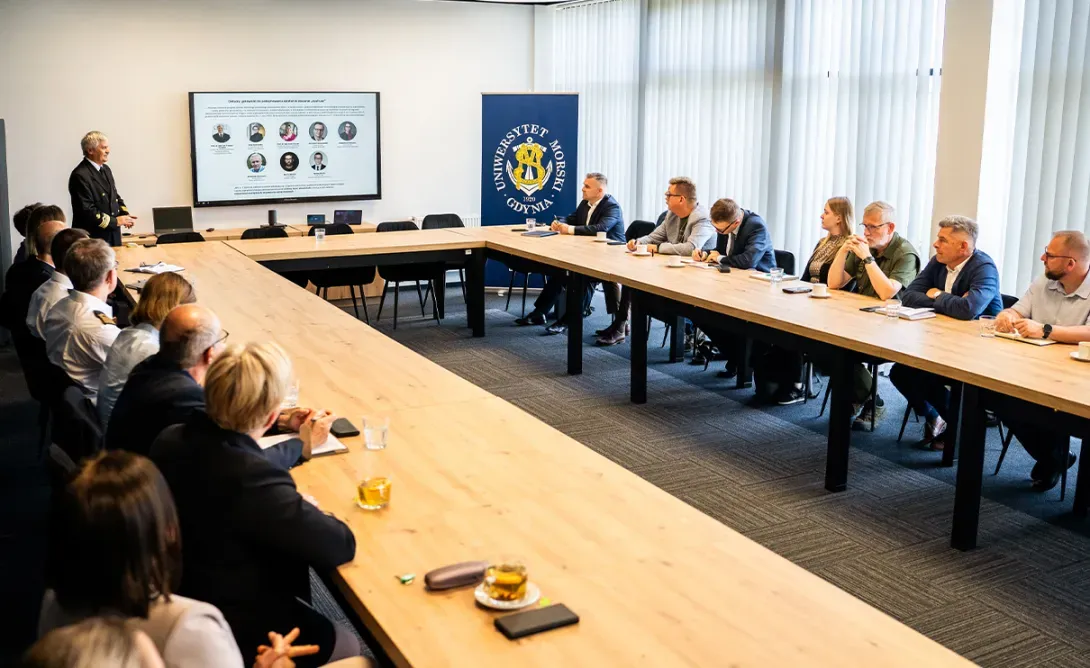
The meeting was attended by the Mayor of Rumia, representatives from the Rumia Town Hall, Rumia Invest Park executives, the President of OPEC (the District Heating Company), the Deputy Director of the Marshal's Office of the Pomeranian Voivodeship, representatives from the Institute of Fluid-Flow Machinery, and project members from Gdynia Maritime University.
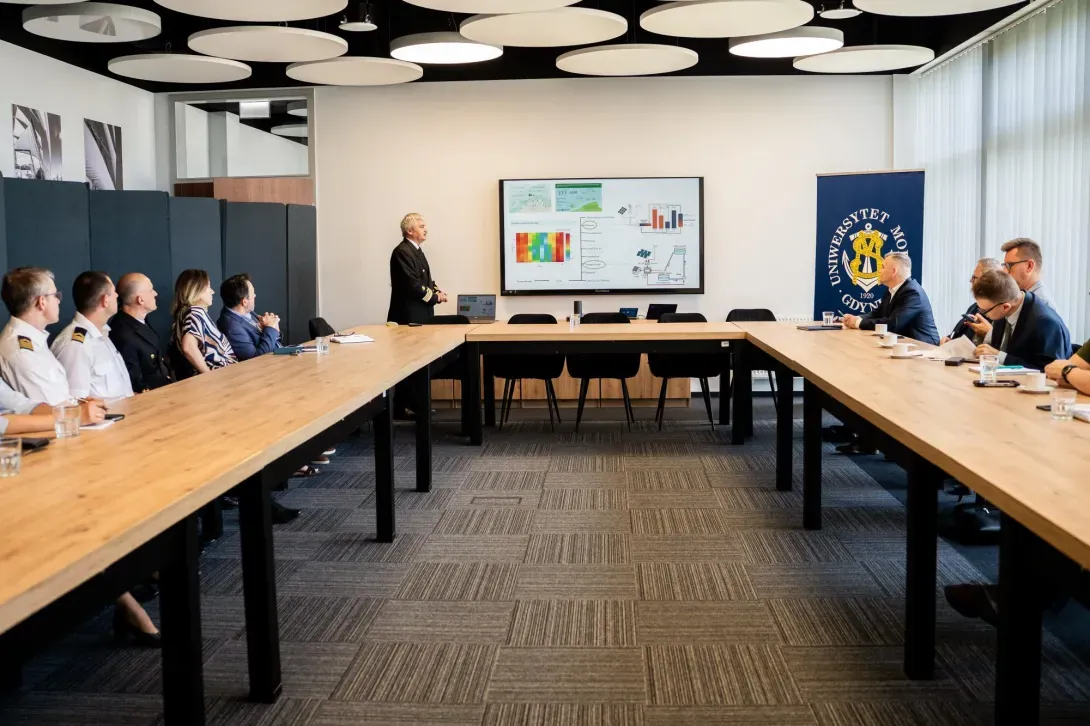
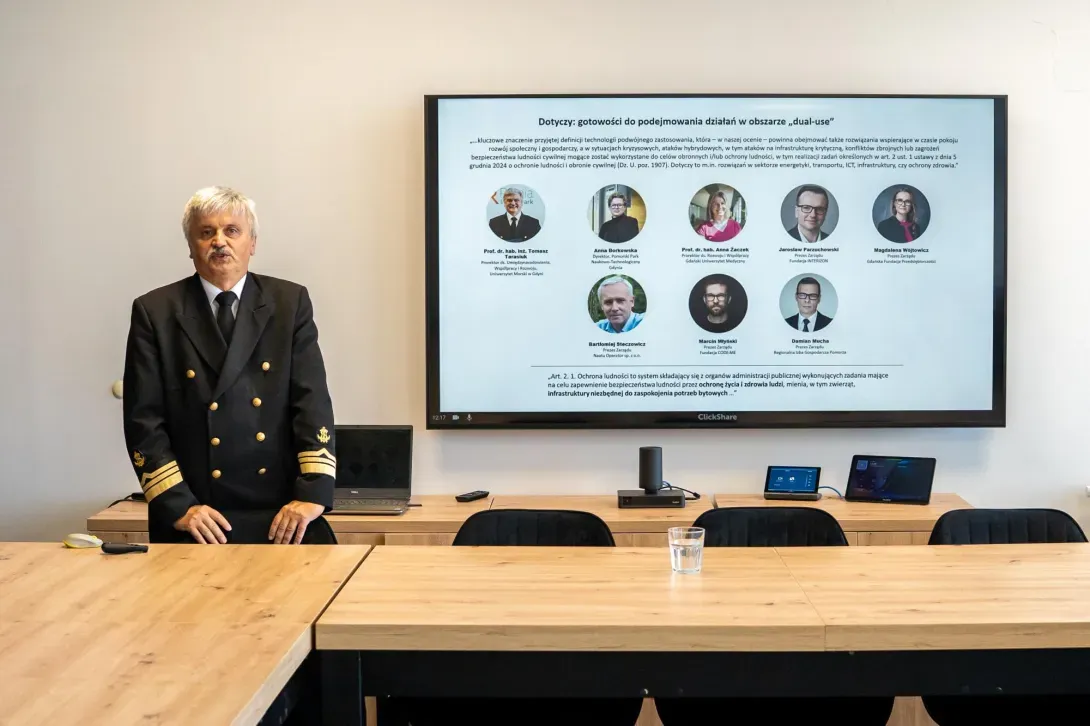
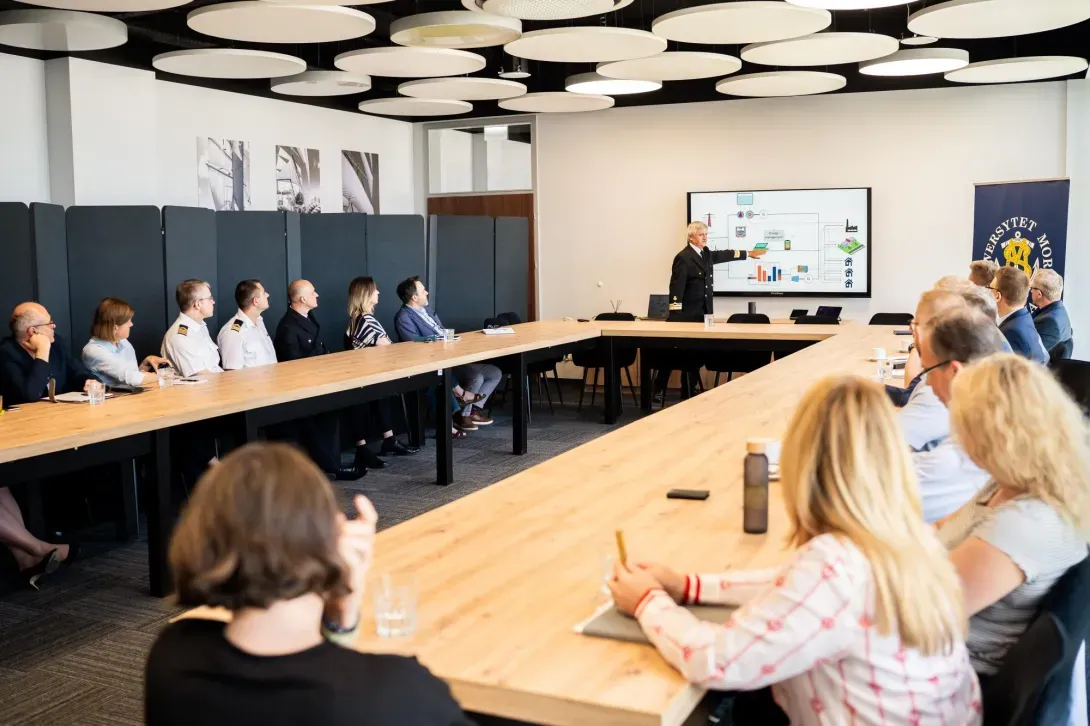
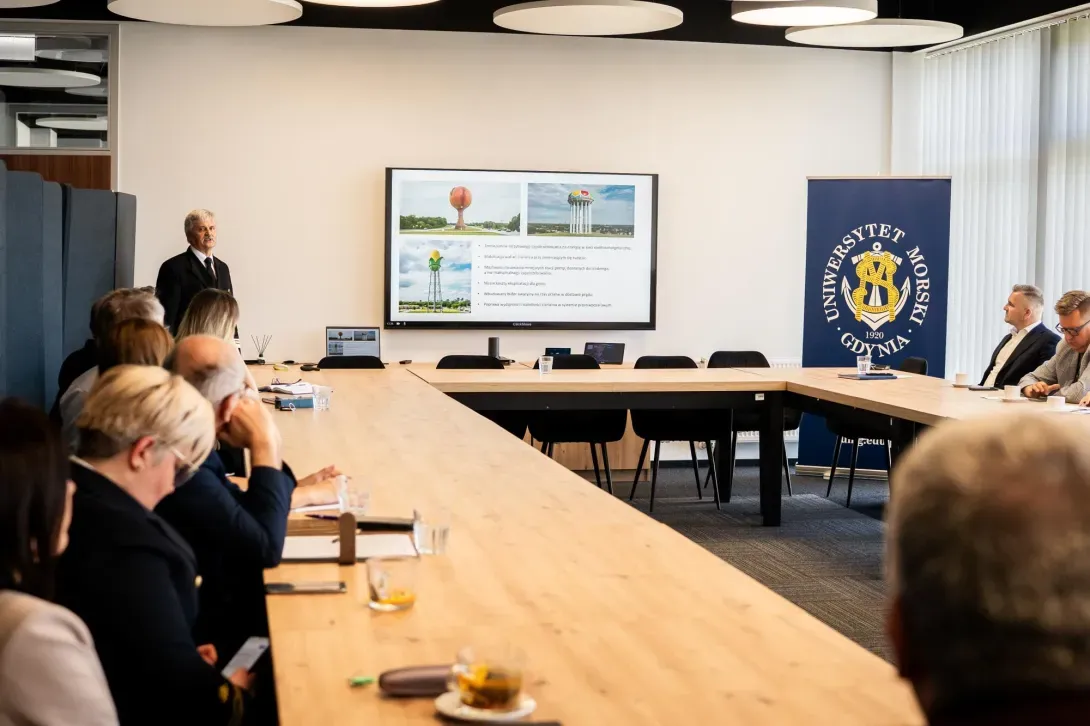
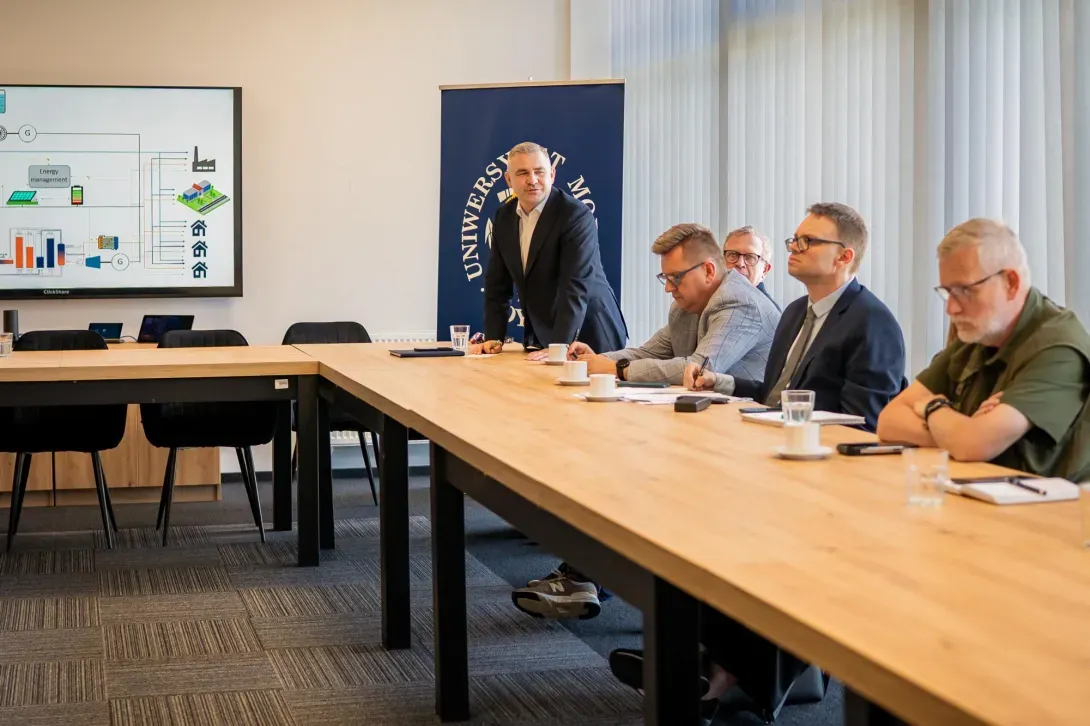
The event was opened by Professor Tomasz Tarasiuk, GMU Deputy Rector for Internationalisation, Cooperation and Development, who outlined the concept of the proposed system and its underlying principles. The primary objective of the meeting was to initiate the first stage of the venture: developing a feasibility study to integrate Rumia’s water supply, district heating, and power grids, alongside updating local crisis management protocols.
The project outlines two key focus areas:
- Operational Optimisation: Optimising the use of energy from offshore wind farms, increasing energy independence, and improving the operational parameters of the water, heating, and power supply systems under normal operating conditions.
- Crisis Resilience: Ensuring a continuous supply of water and heat to residents while maintaining power to critical infrastructure for at least 72 hours during emergencies – such as grid failures, natural disasters, hybrid attacks, or military threats. The system's island-mode operation will comply with the Civil Protection and Civil Defence Act of 5 December 2024.
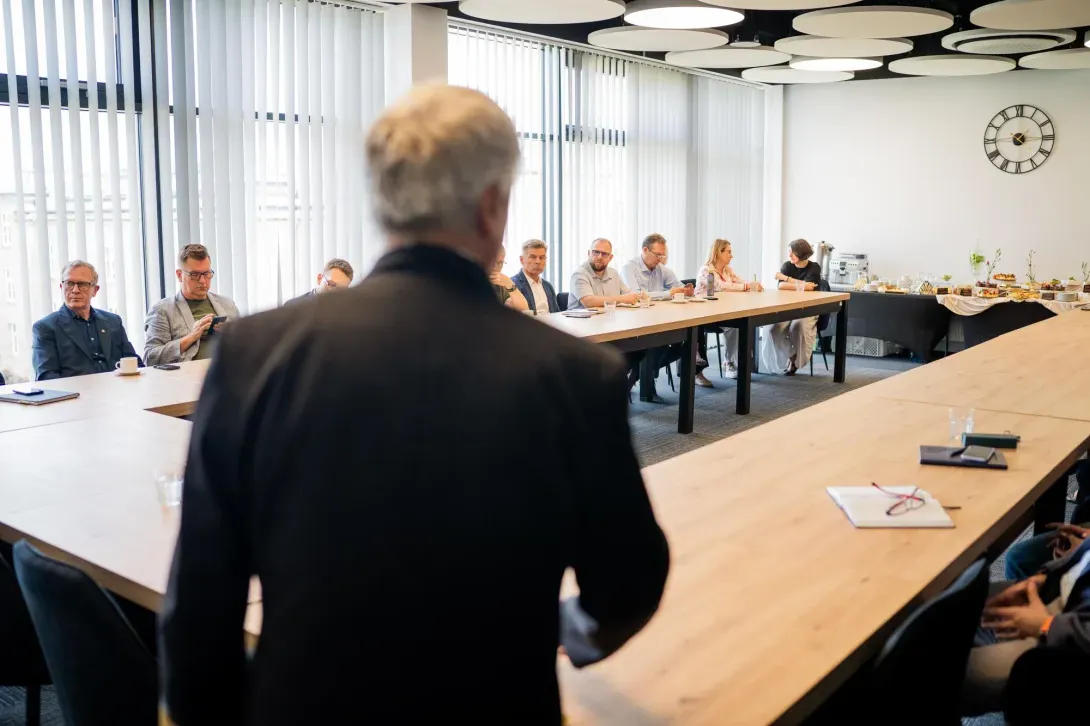
Following the project overview, a discussion took place in which participants highlighted the project's role as a pilot initiative that could serve as a blueprint for other local authorities. The partners agreed to sign a formal cooperation agreement and established an initial division of tasks.
Project coordination has been assigned to Rumia Invest Park. Gdynia Maritime University will develop the simulation model for the power system, integrating energy inputs from offshore wind farms, and will work jointly with OPEC to design a heat storage facility capable of generating electricity. The Institute of Fluid-Flow Machinery will be responsible for developing the water storage concept, which will also explore electricity generation capabilities.
The participants noted that the RUMIA 72h project has the potential to become a model solution for building critical infrastructure resilience and securing energy-water safety, offering scalable solutions that can be implemented in other towns and municipalities.