Sustainable Urban Mobility – European Experiences and Future Challenges
19.10.2026 | 5 min. czytania
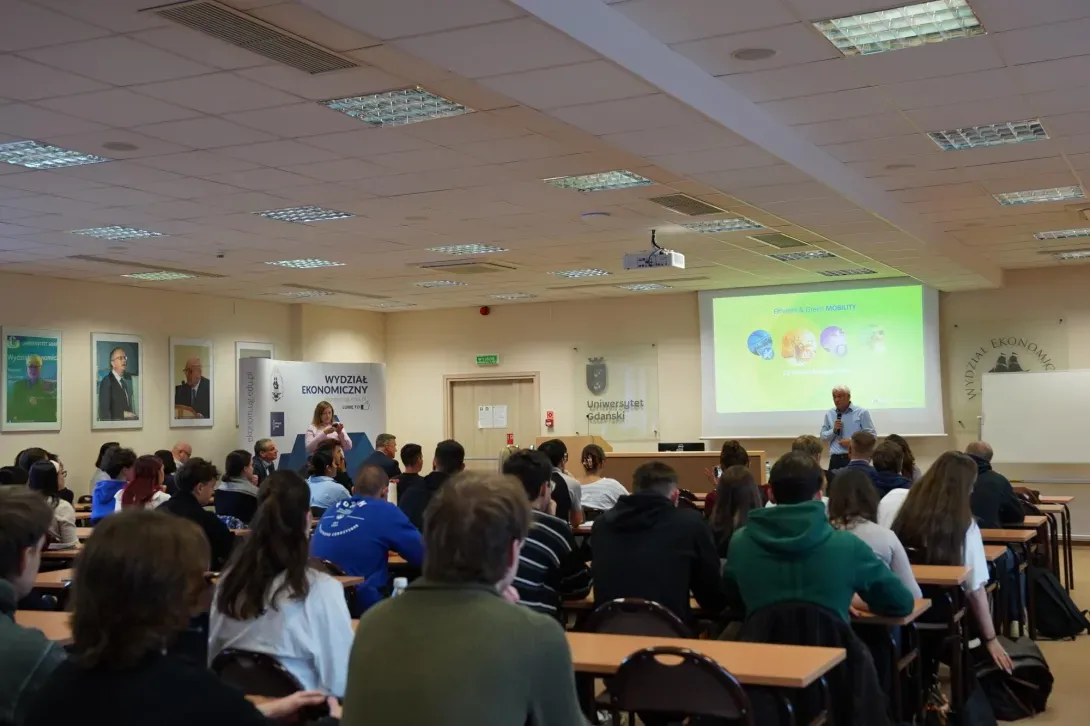
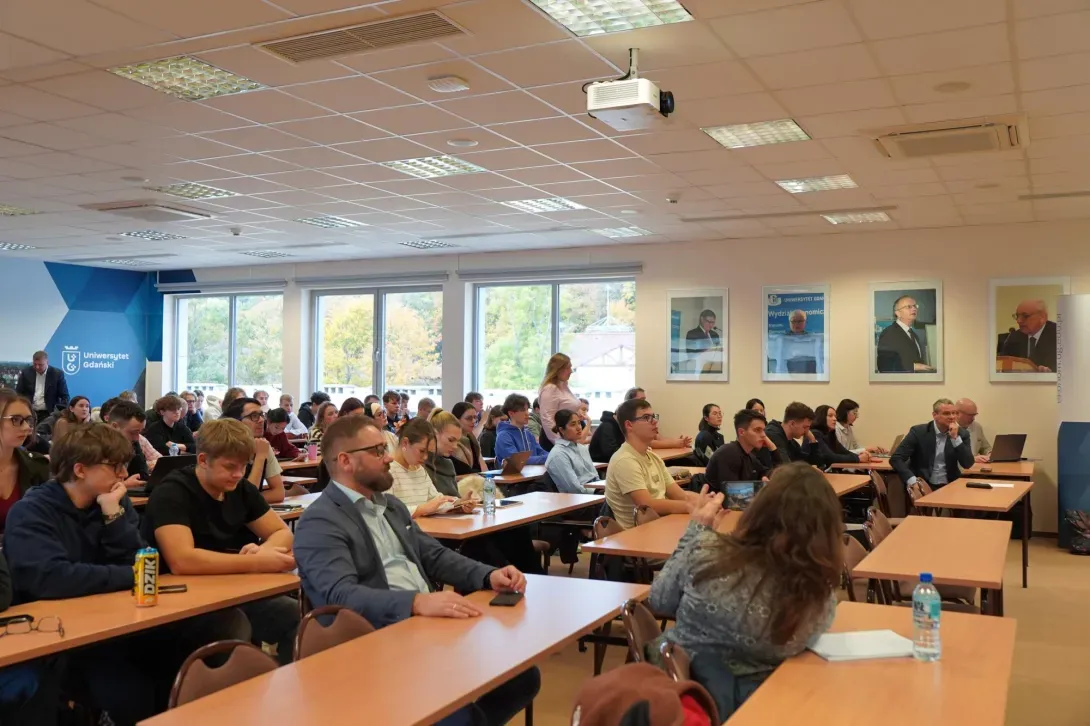
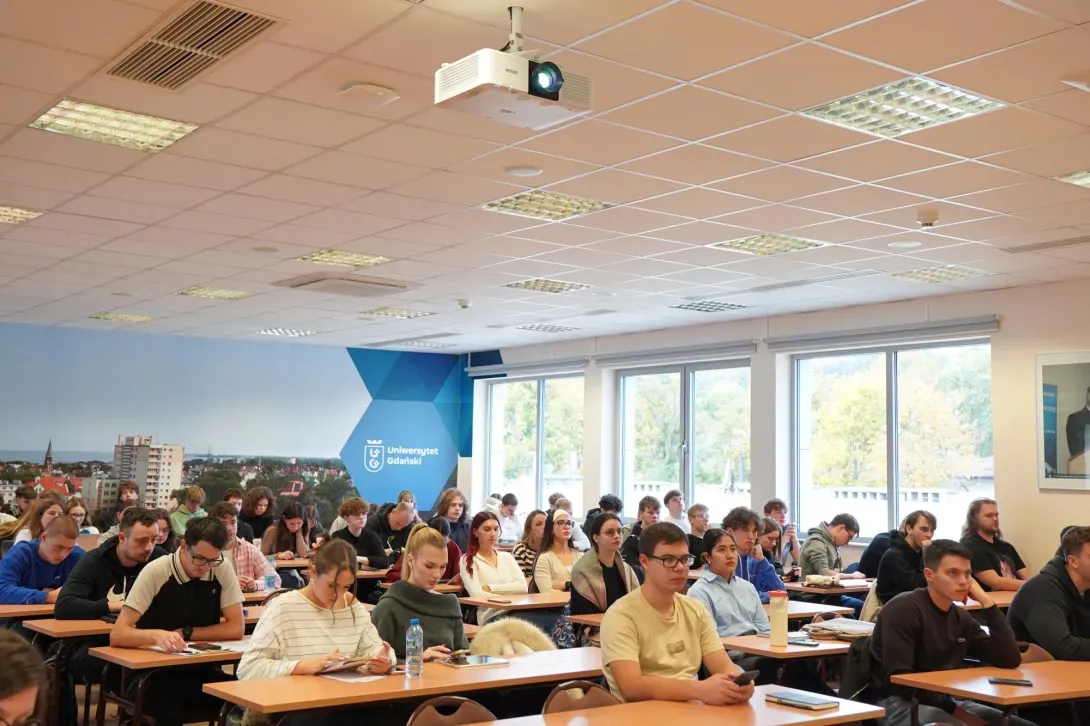
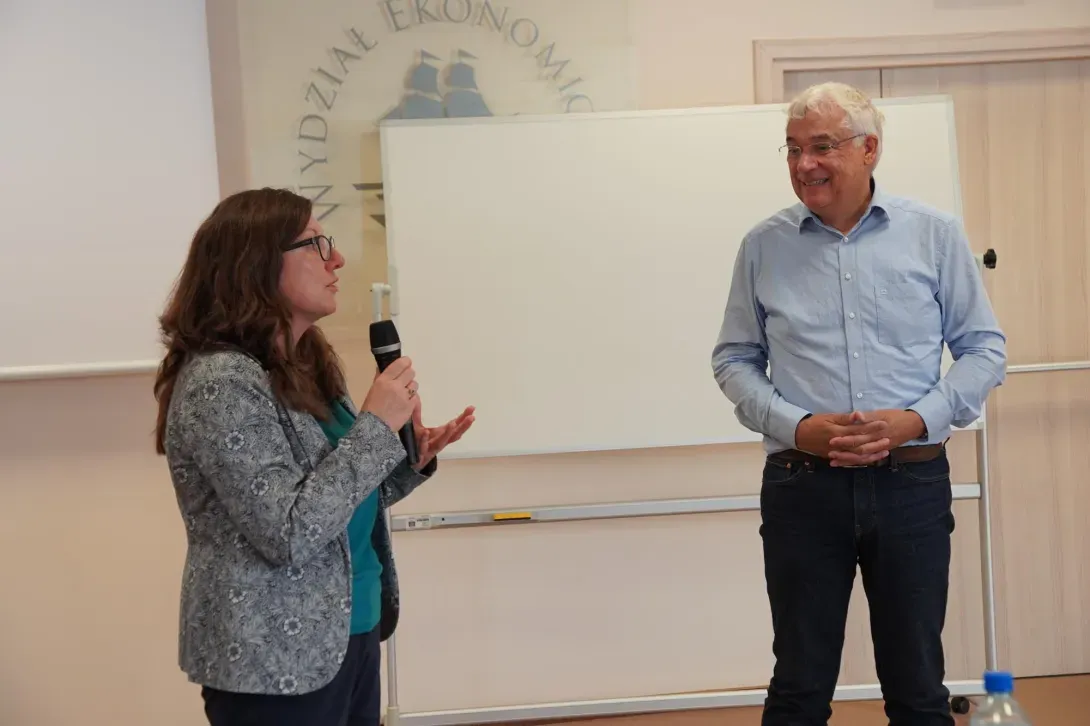
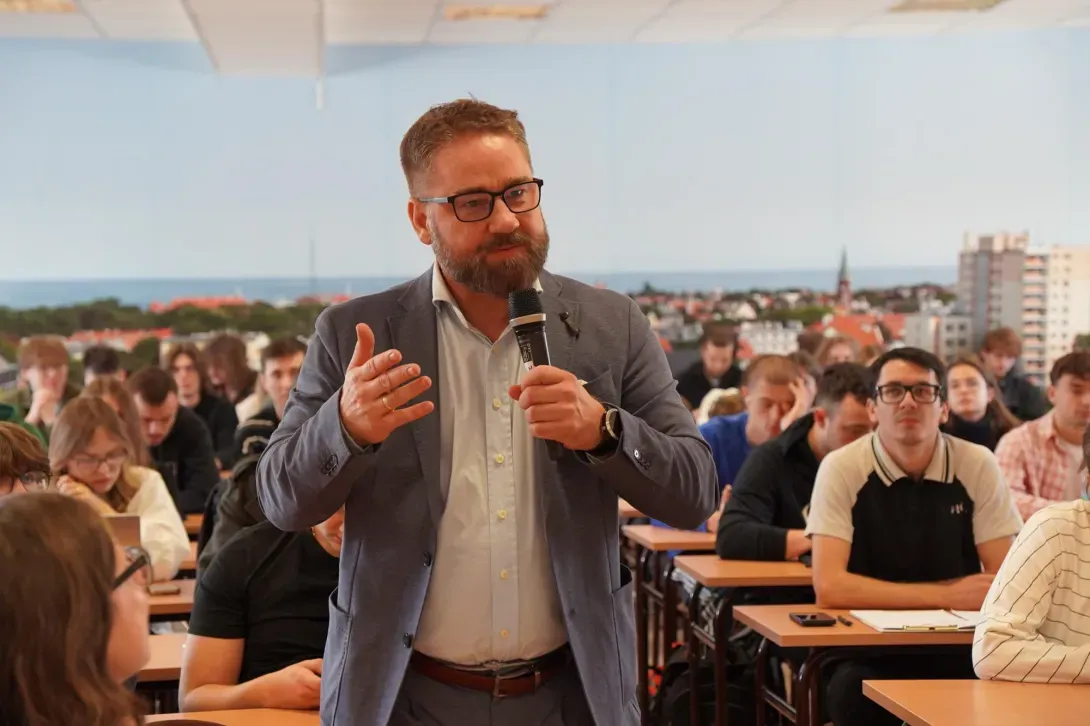
On 19 October 2026, a public lecture entitled ‘Sustainable Urban Mobility Planning – European Experiences’ took place at the Faculty of Economics of the University of Gdańsk (UG) in Sopot as part of the Sustainable Urban Mobility Planning course. The lecture offered an opportunity to explore European experience in developing and implementing transport policy, as well as to reflect on the challenges facing contemporary cities amid rapid social, economic and geopolitical change.
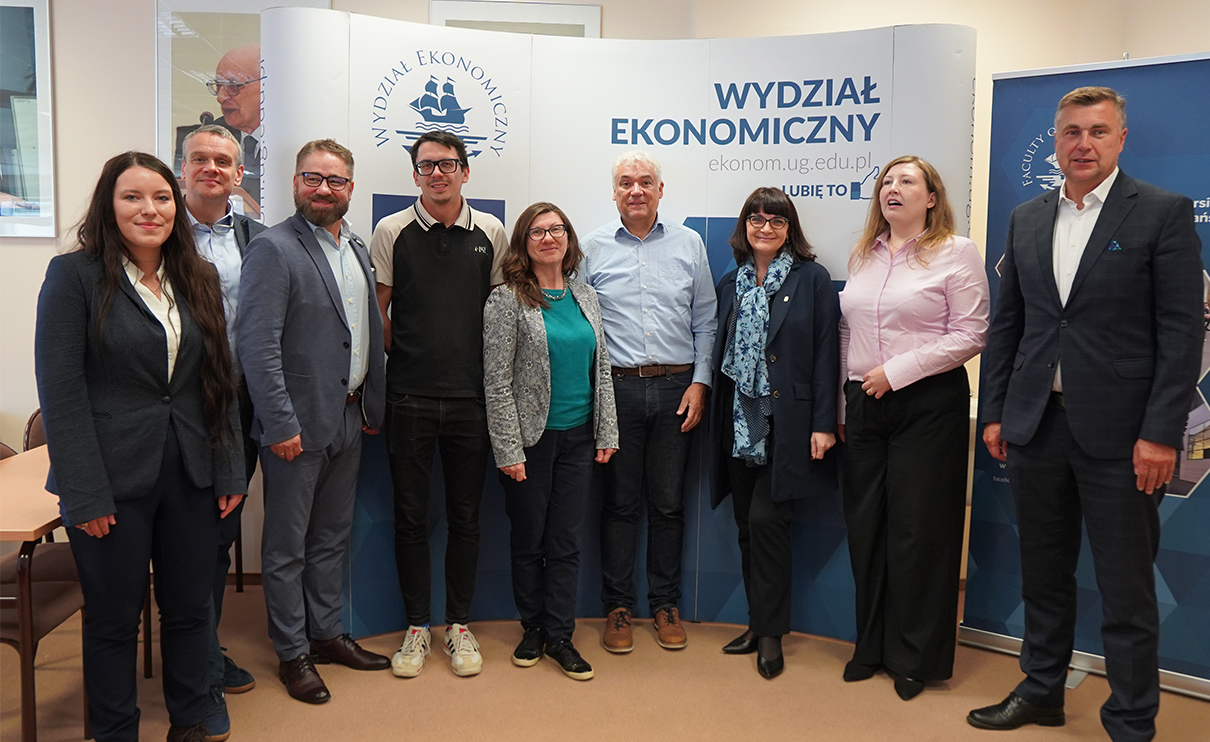
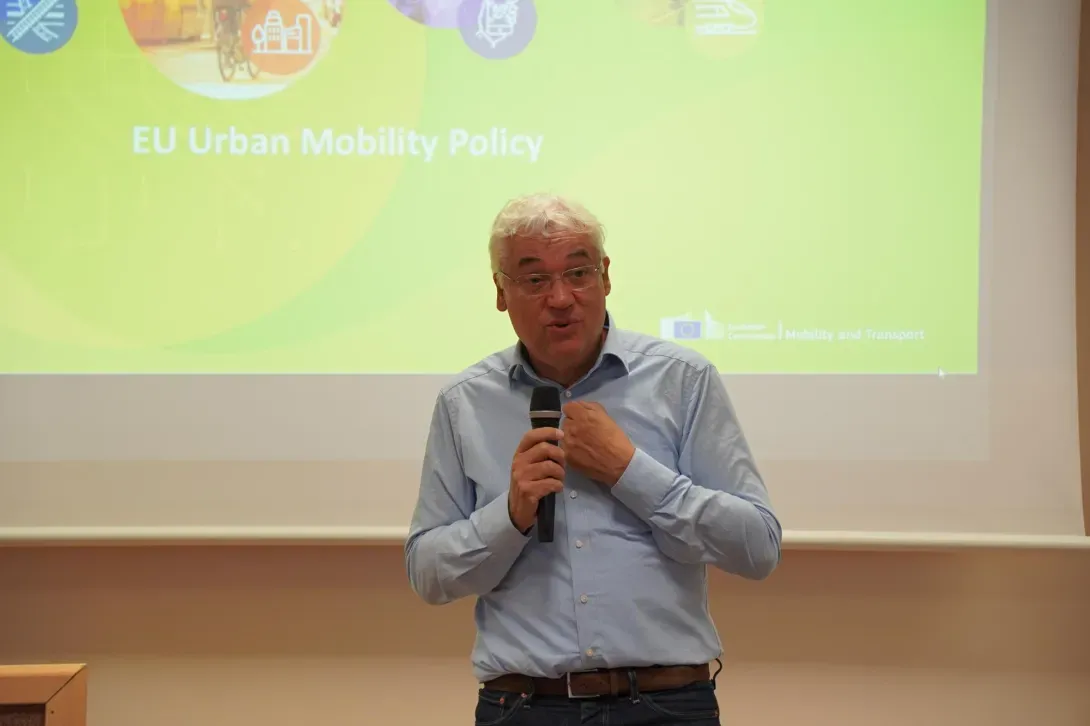
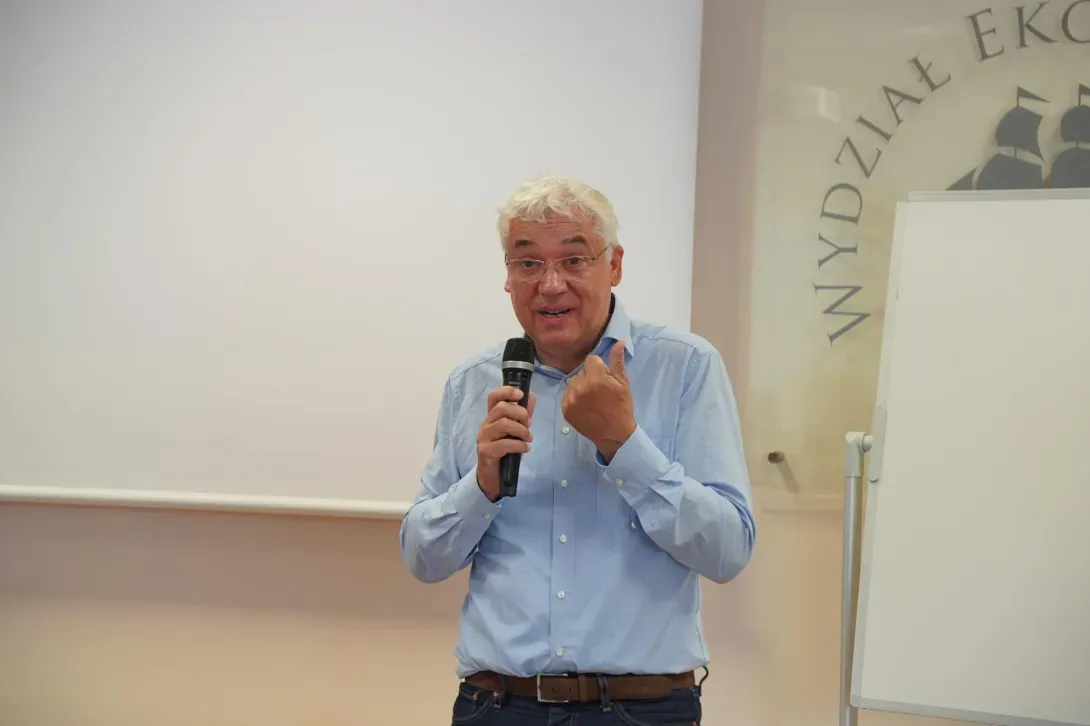
The speaker was Dr Marcel Rommerts, a European Commission expert with more than 30 years of professional experience, specialising in sustainable urban mobility policy, transport innovation and the implementation of the European CIVITAS programme, which supports the development of modern transport systems that meet residents’ needs. During the last 11 years of his career at the European Commission, he held a management position at CINEA – the European Climate, Infrastructure and Environment Executive Agency. He now continues to work with the Commission as an Active Senior, sharing his expertise with representatives of national and local government in EU Member States and candidate countries.
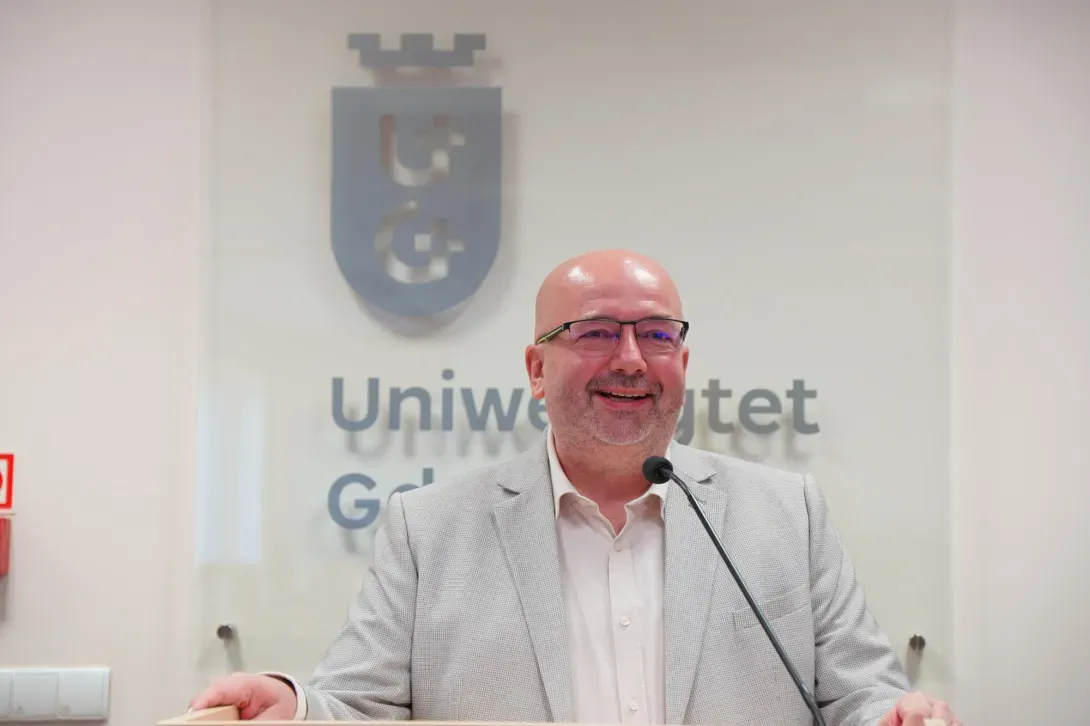
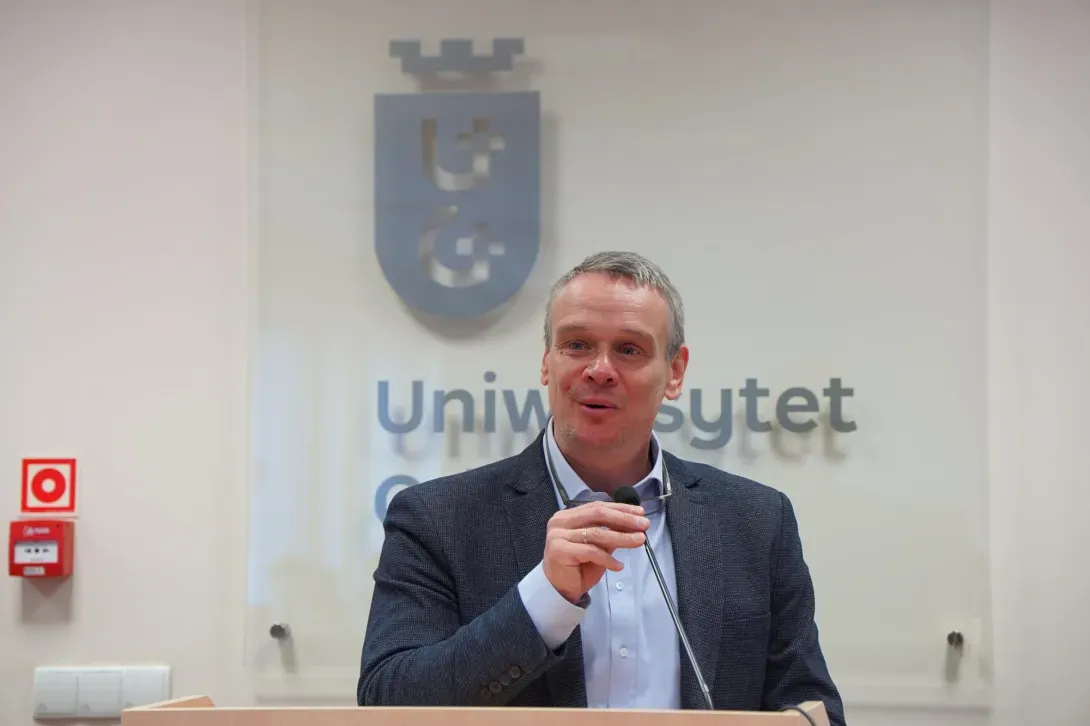
The lecture opened with remarks by Dr Leszek Reszka, Deputy Dean for Students and Education at the Faculty of Economics, University of Gdańsk, and Dr Dariusz Tłoczyński, Head of the Department of Transportation Market and Associate Professor at UG. They emphasised the importance and relevance of sustainable urban mobility, highlighting its significant role in shaping the future of cities and the need to seek solutions to contemporary transport challenges. Dr Marcin Wołek, UG Associate Professor, highlighted the impact of geopolitical changes on how cities function and on the future development of transport systems, pointing to the need to consider the broader international context when planning mobility policy.
During the presentation, Dr Marcel Rommerts outlined European Commission initiatives to promote sustainable urban mobility, discussing European strategies and initiatives supporting the transformation of transport. Particular attention was given to the 2020 Sustainable and Smart Mobility Strategy, which sets out the direction of development for the European transport system.
The speaker also noted that European efforts to change approaches to urban mobility have a long history. One of the most prominent examples of these efforts is European Mobility Week, first held in 2002. Over the years, the initiative has grown into an international event, now involving more than 3,000 cities in 44 countries. Its aim is to promote more sustainable modes of travel and raise public awareness of the impact of everyday transport choices on quality of life and the environment.
Another key theme of the lecture was the role of logistics in urban mobility planning. An efficient transport system involves not only the movement of people, but also the effective organisation of freight transport and deliveries, as well as the provision of services that are essential to the functioning of modern cities. Taking the needs of urban logistics into account is therefore essential to developing integrated, accessible and resilient transport systems.
The presentation also reviewed examples of urban strategies and mobility solutions implemented in various European cities. One of the key takeaways was the importance of cooperation and the exchange of experience between local authorities. Cities can learn from solutions adopted elsewhere and adapt proven practices to their own circumstances, residents’ needs and local challenges.
In the context of the CIVITAS programme, it is also worth highlighting Gdynia’s involvement in European initiatives promoting sustainable urban mobility. The city’s participation in projects under the programme demonstrates how European cooperation can facilitate the exchange of experience and the development of solutions to the challenges facing urban transport today. Gdynia has been pursuing sustainable mobility for many years. One example was the development and implementation of its first Sustainable Urban Mobility Plan (SUMP) in 2008. The plan aimed to reduce residents’ dependence on private cars, develop public transport and promote cycling. These measures are in line with European efforts to develop transport systems that are more accessible, environmentally sustainable and better suited to residents’ needs.
Following Dr Marcel Rommerts’ presentation, participants had the opportunity to ask questions and share their views on the future of sustainable urban mobility. Topics included the development of new transport technologies, including autonomous transport; resilience, understood as the ability to adapt and function effectively in the face of unforeseen challenges; and the importance of coordinating action at metropolitan level.
Particular attention was given to cooperation across the Tricity. Dr Marcel Rommerts emphasised that a key strength of the Tricity is the cooperation between Gdańsk, Gdynia and Sopot in developing transport and mobility. He noted that coordinating transport policy across municipal boundaries creates opportunities for more effective planning, better integration of transport systems and solutions that meet the needs of residents throughout the metropolitan area. Cooperation between local authorities is therefore essential to developing an integrated and sustainable urban mobility system.
The lecture broadened participants’ understanding of European transport policy and highlighted urban mobility as an area requiring cooperation between a range of stakeholders, from European institutions and local authorities to experts, researchers and future transport professionals.
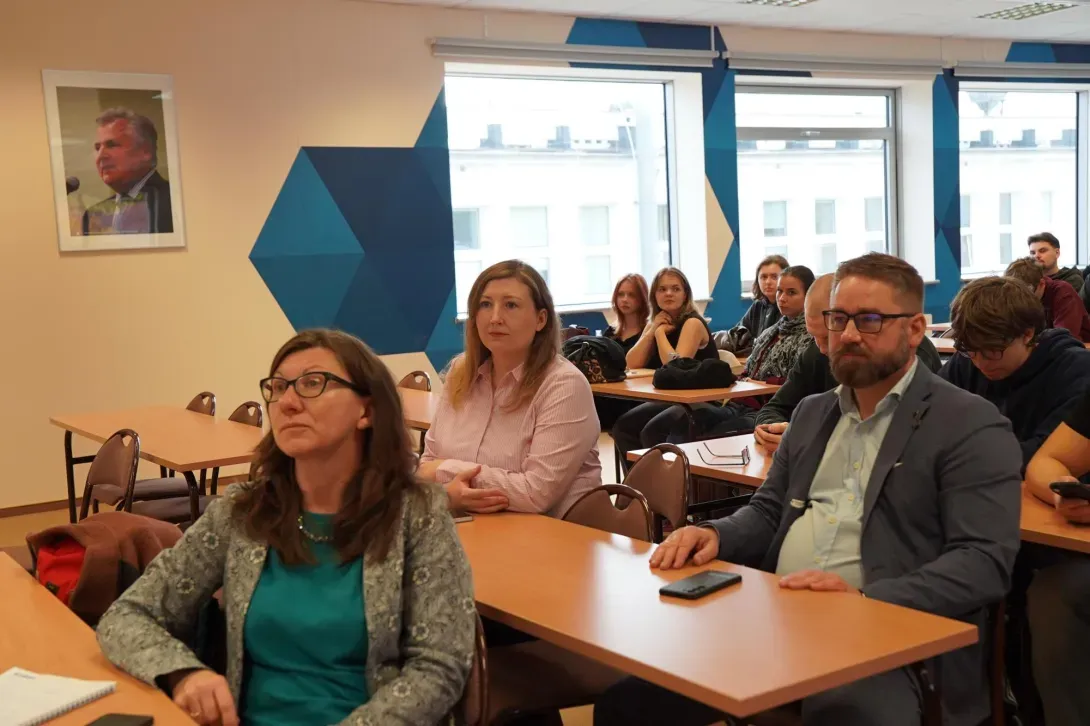
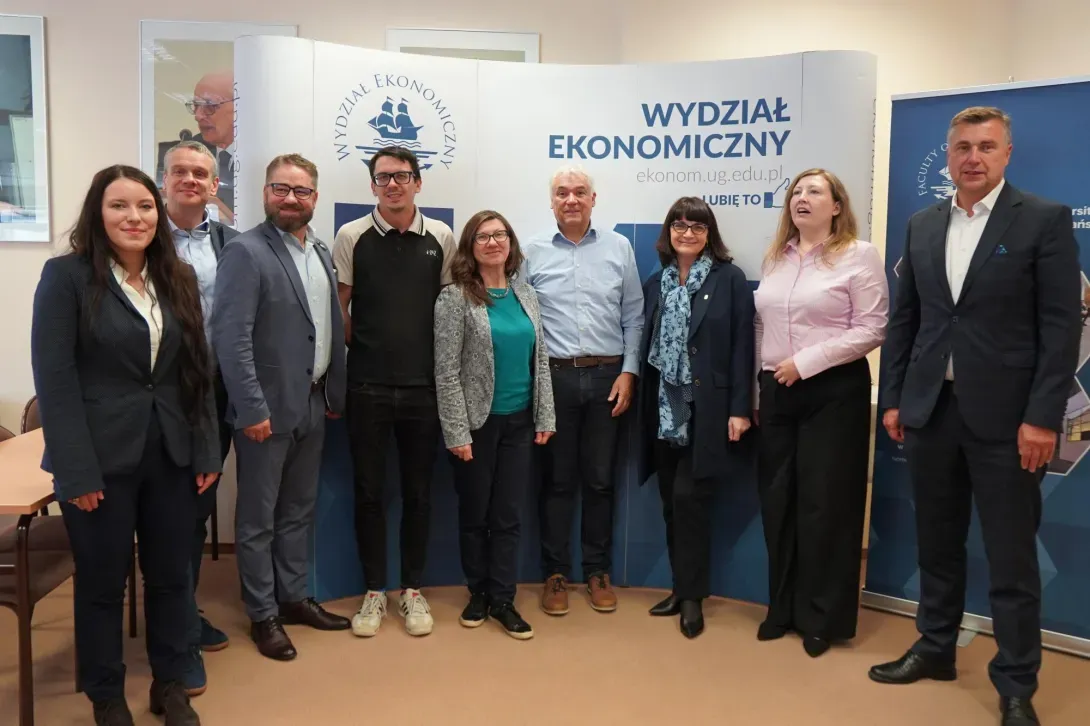
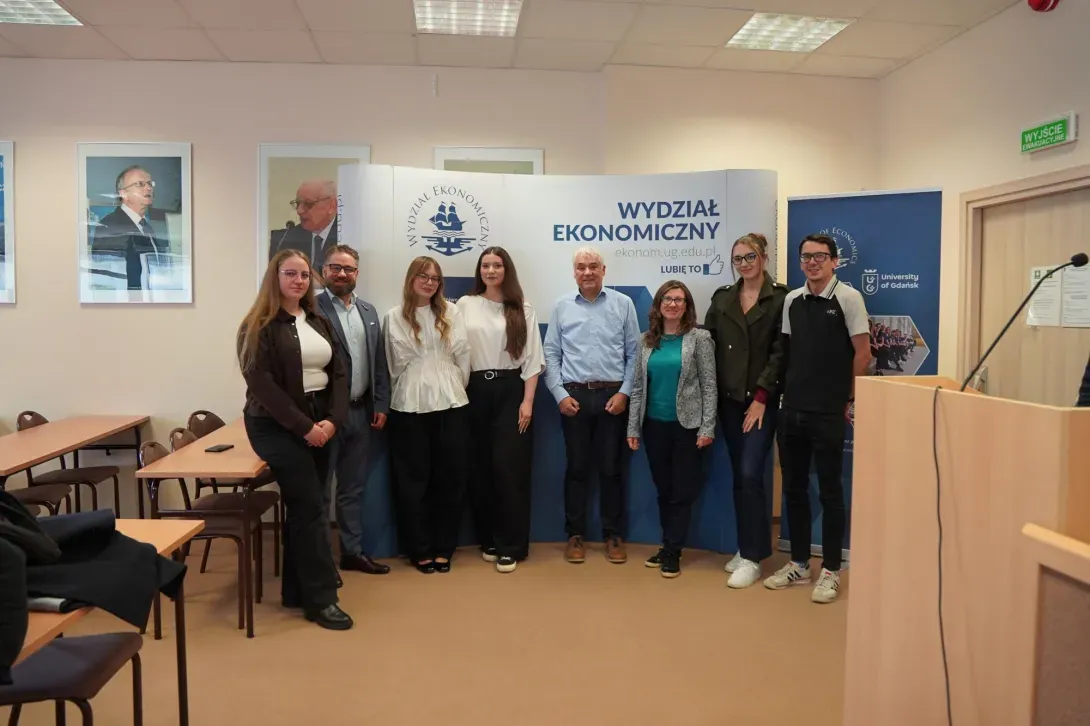
The event was attended by students from the Faculty of Navigation at Gdynia Maritime University, accompanied by members of staff from its Department of Transport, Oskar Gach and Agnieszka Tessmer. Students from the Faculty of Economics at the University of Gdańsk also attended. The event provided an opportunity to exchange knowledge and experience, bringing together academic perspectives and practical experience in European transport policy.
The event was organised through the collaboration of Dr Marcin Wołek (University of Gdańsk), Alicja Pawłowska (Gdynia City Hall) and Dr Adam Przybyłowski, Head of the Department of Transport at the Faculty of Navigation and Associate Professor at GMU. Dr Magdalena Markiewicz, Deputy Dean for Development and Cooperation with the Socio-Economic Environment at the Faculty of Economics of the University of Gdańsk, thanked the speaker for delivering the lecture and sharing his knowledge and experience. The joint initiative demonstrated the importance of cooperation between the academic community and public institutions in disseminating knowledge and seeking solutions that support the development of sustainable urban mobility.